Paris EXPRESS
“Man has innate feelings in his soul whose real-world objects can never satisfy; it is precisely these feelings that the imagination of the painter and poet knows how to give shape and life to… A certain impression arises from the arrangement of colors, lights, and shadows… One might call this the music of a painting. This emotion reaches into the most intimate part of the soul.”
Eugène Delacroix (1798–1863)
Henri Perruchot, Gauguin
Paris_EXPRESS is a research project exploring the sources of post-industrial culture located in the Parisian district of Montmartre.
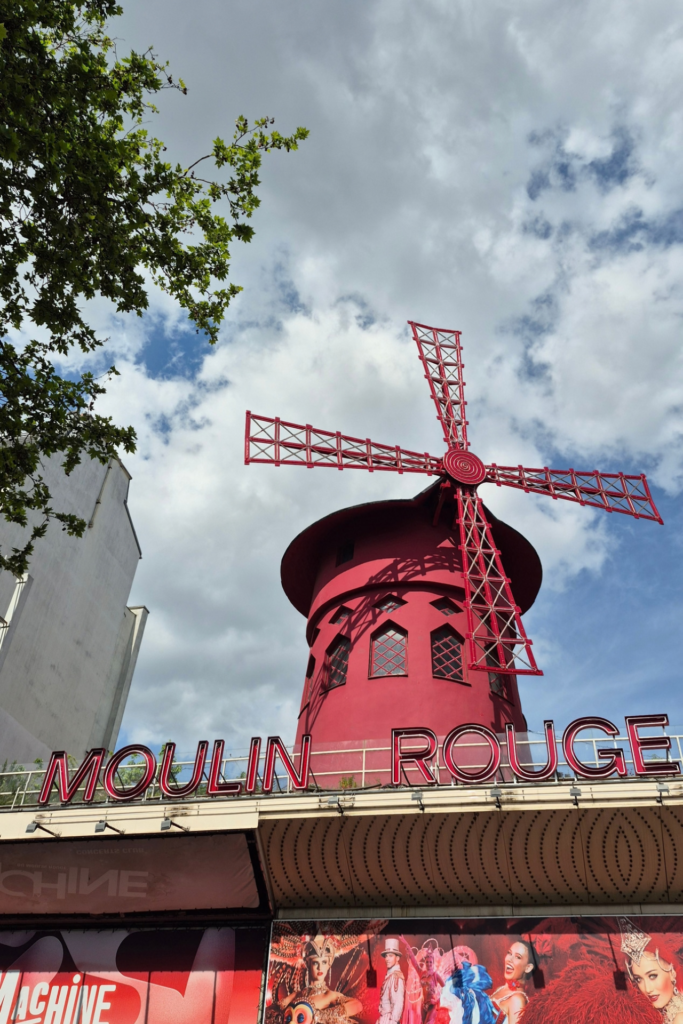
Once a village, Montmartre gained its status as one of Paris’s most iconic districts as a result of the influx of artists. For decades, it attracted the artistic avant-garde and bohemian communities. Artists lived and worked in close proximity to working-class neighbourhoods, often occupying studios established in abandoned barns, workshops, and other spaces on the margins of the official city. They frequented bars and venues visited by workers, observing and portraying the everyday social life of ordinary people.
Read more: Paris_EXPRESS
BYLEW
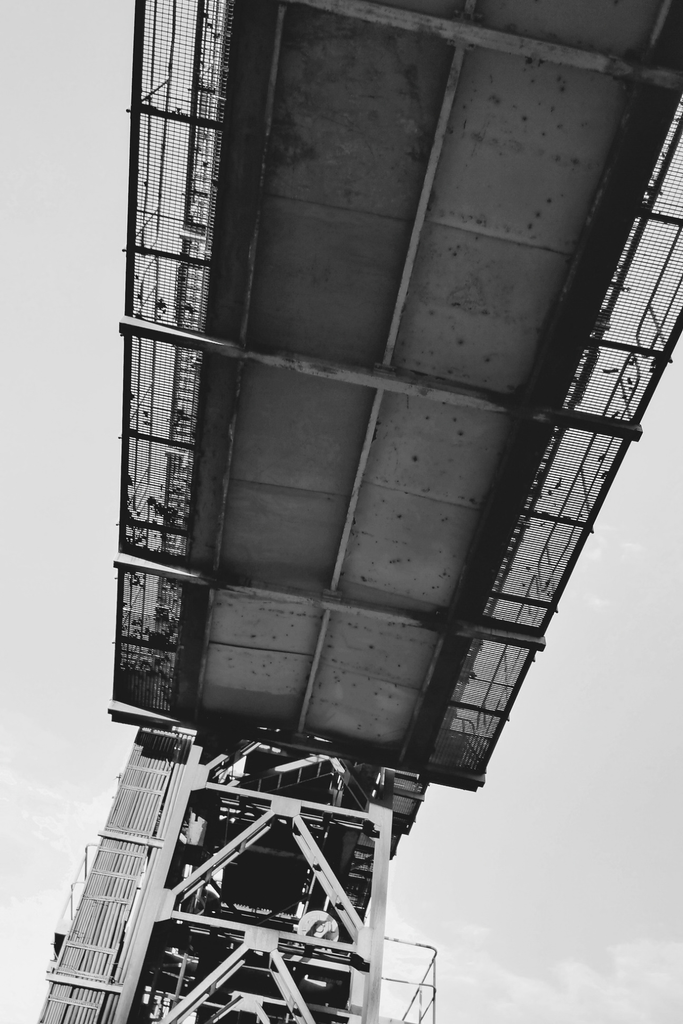
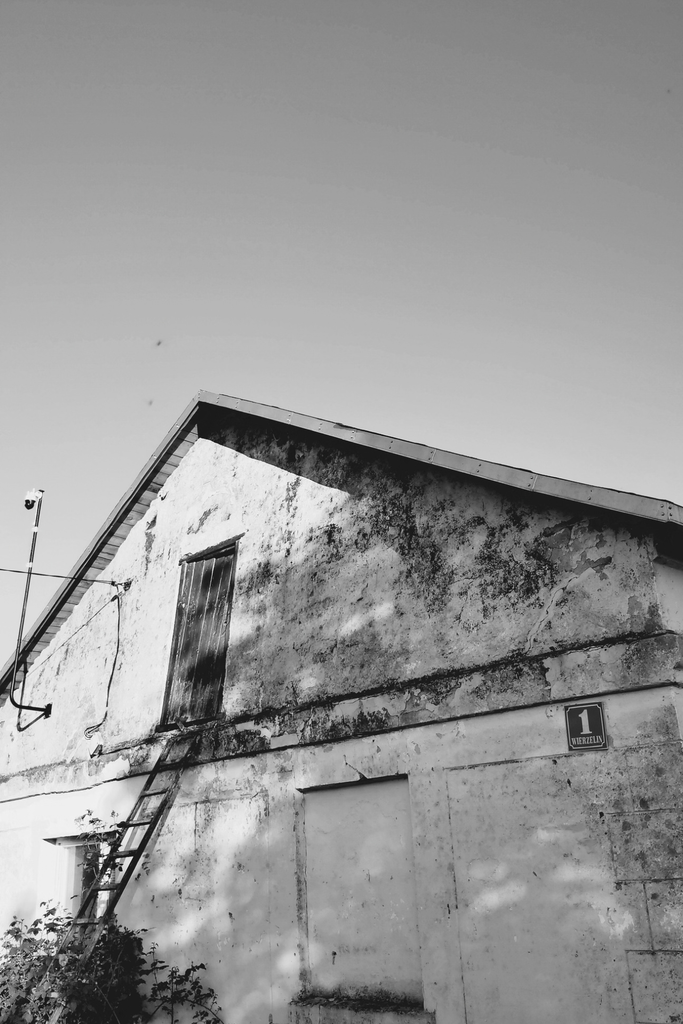
As part of the project, an album dedicated to the history of the Lubstów open-pit mine is being prepared. The work is scheduled for completion, and the publication is planned for the second half of 2027. Work in progress.

***
Western Macedonia
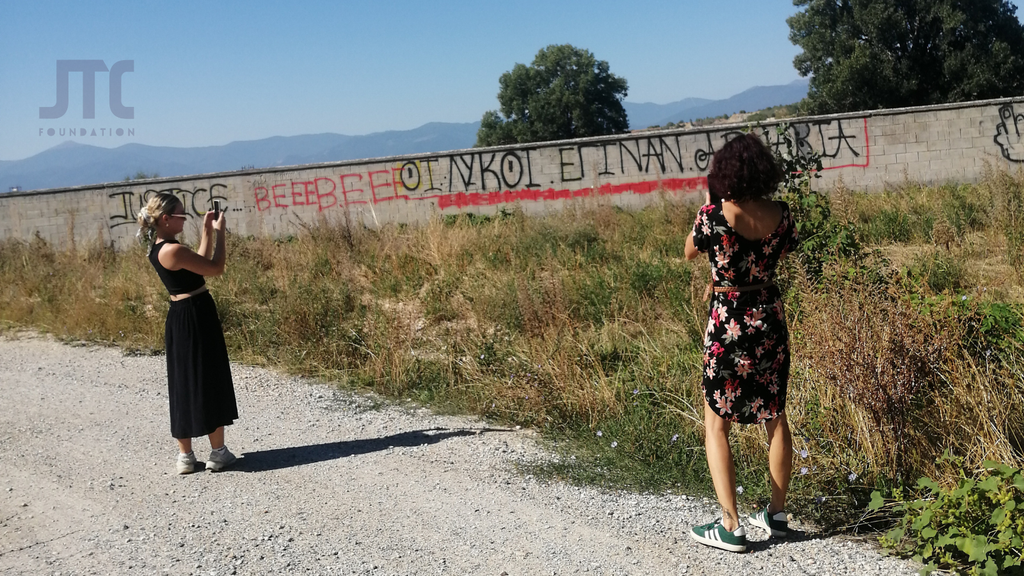
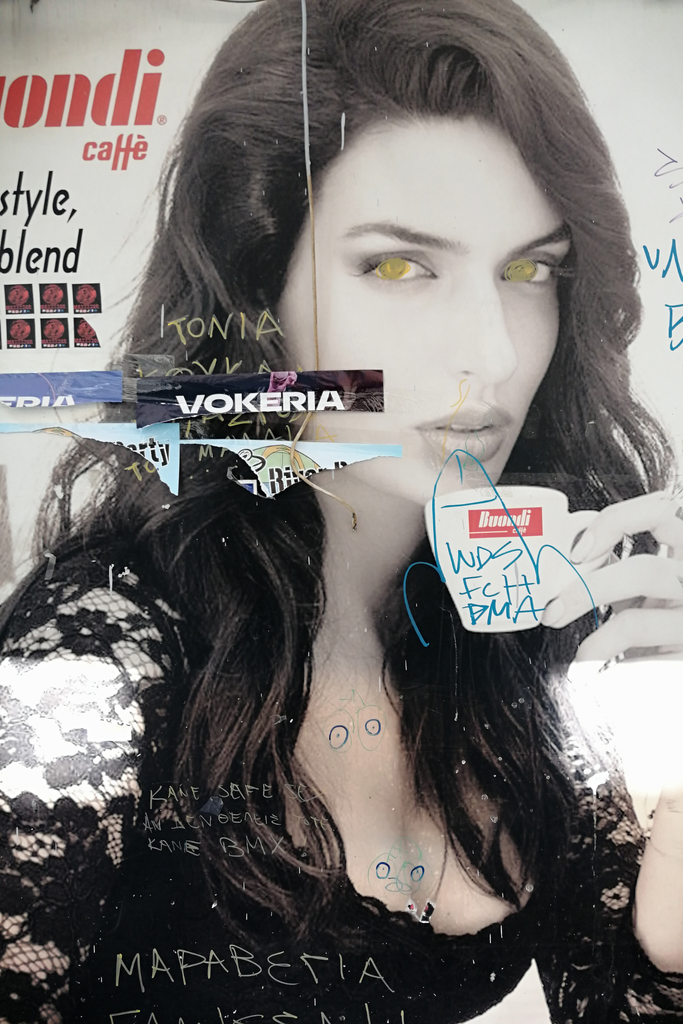
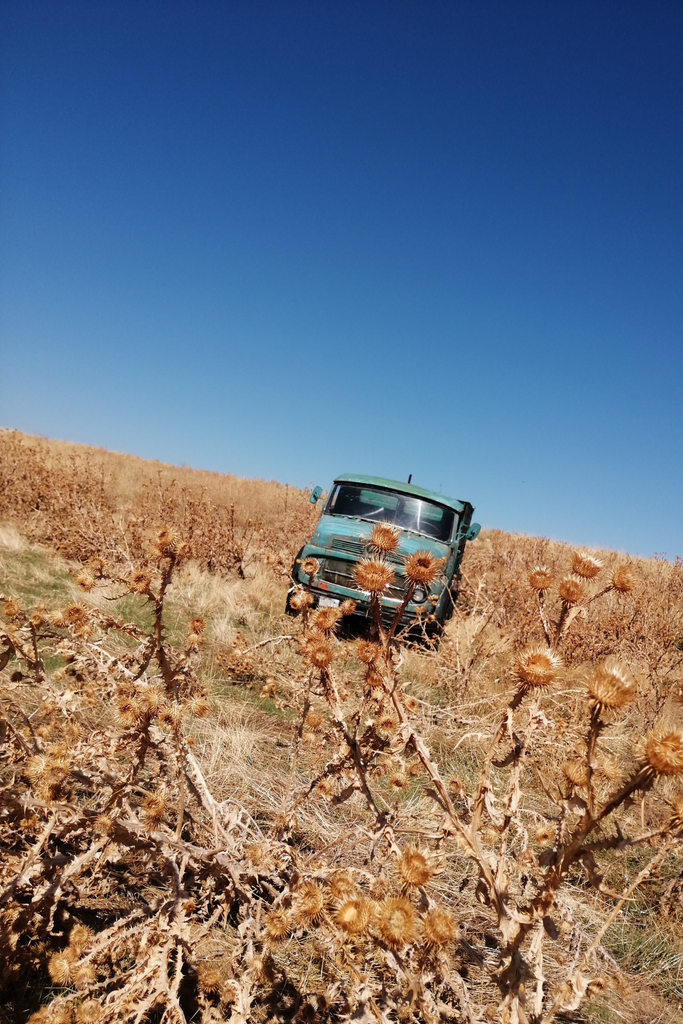
Western Macedonia has been included in the Just Transition process. Our partners from Florina have invited us to develop an international project that would explore local traditions and culture, as well as the transformations accompanying the region’s deindustrialisation — one of the coldest areas in Greece. Work in progress.
***
DES_INDUSTRIAL
This publication is the result of ten years of research, observation, and activities carried out in the Eastern Greater Poland subregion, which is undergoing a process of transformation.
Over the past decade, primarily in the northern part of the Konin Basin, the author has gathered experience, observations, and data that provide a broad perspective on the changes taking place in the region.
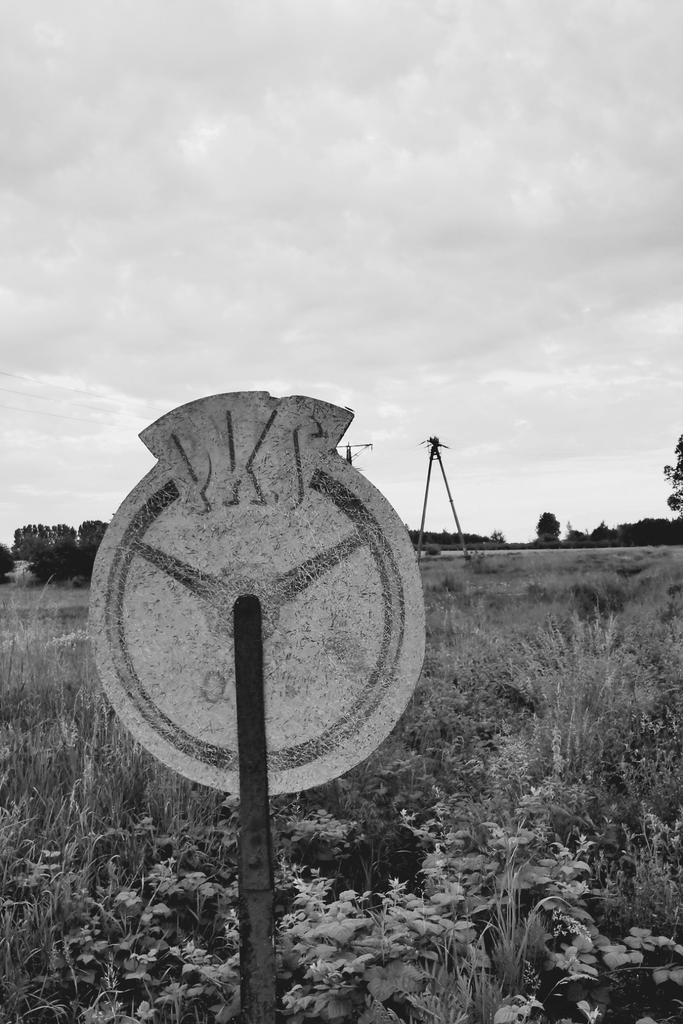
The diverse range of activities undertaken makes it possible to examine the transformation process from several perspectives — that of an artist, manager, and social activist.
Collaboration with diverse social groups, in turn, makes it possible to capture a broader picture of a subregion undergoing deindustrialization, together with its social, spatial, economic, and cultural consequences.
Text in progress.
***